


The La Salade neighborhood in Toulouse hides its true nature well. While its name might evoke for some a healthy meal or a white lie told to impress others, the historical reality of this Toulouse neighborhood is far more chilling. Located in the north of the city, it actually conceals a macabre past. A past where the sinister gallows—those structures used for executions and hangings—stood at the city gates. Let’s put away our salad dressings to uncover a dark chapter in the history of the “Pink City.”
La Salade: a former site of public condemnation in Toulouse
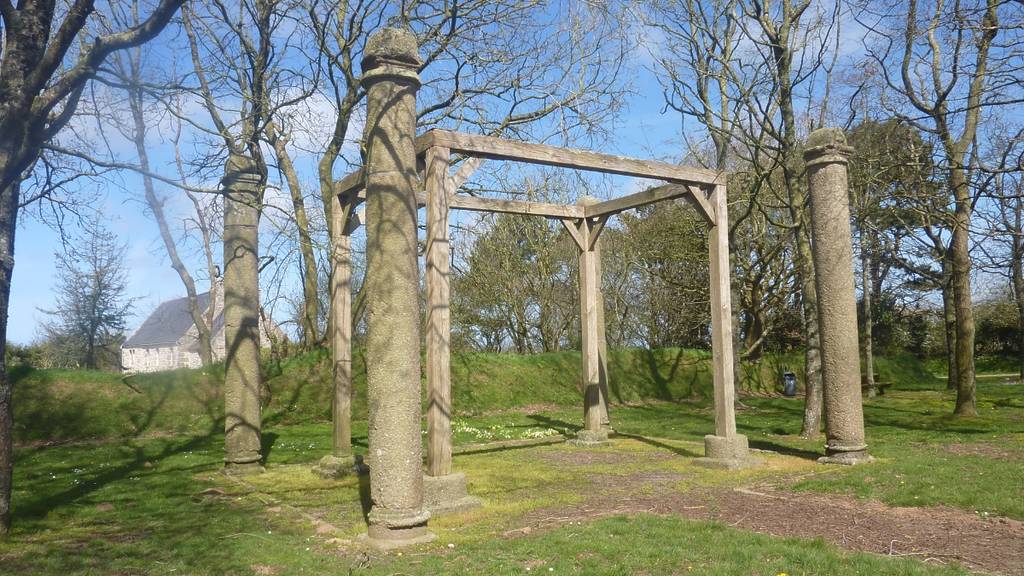
North of Toulouse, between Avenue de Fronton and Boulevard Pierre-et-Marie-Curie, lay what was once known as La Salada. Contrary to popular belief, the Occitan word *salada* does not refer to the vegetable, but rather to the word *sal* (salt) or directly to the structures of the gallows. These stone and wooden gallows were designed to display those condemned to death in full view of the public. Hanged from wooden crossbeams, their decomposing bodies remained hooked on the gallows until the elements and vultures had finished their macabre work. The goal? To terrify passersby and deter any attempts at crime or banditry.
While this neighborhood—now bordered by Les Minimes, Lalande, and La Vache—is a far cry from that inglorious past, it was long marked by these grim executions. This part of Toulouse served as the stage for these public spectacles until 1787, when the Parliament of Toulouse ordered the permanent dismantling of these pillars of justice, shortly before the French Revolution.
A deterrent for criminals
The gallows at La Salade were not placed there by chance. Erected along the northern highway (the old road to Paris), at the city’s entrance, they served as a reminder to everyone—travelers, locals, and foreigners alike—of the severity of Toulouse’s justice system and the fate reserved for criminals. The sight of rotting corpses, visible as soon as one passed through the Paris Gate, was enough to dampen the enthusiasm of criminals. Toulouse, then the judicial capital and seat of a powerful Parliament for the entire Languedoc region, had several sites for executions and hangings, of which La Salade was one of the most imposing with its stone columns.
Far from the market gardening and gardens that took root in the neighborhood in the 19th century, La Salade takes its name from this bygone era of seigneurial and parliamentary justice. Today, this residential neighborhood has turned the page, but its morbid history remains etched in the city’s toponymic memory. A story that’s a bit gruesome.
