
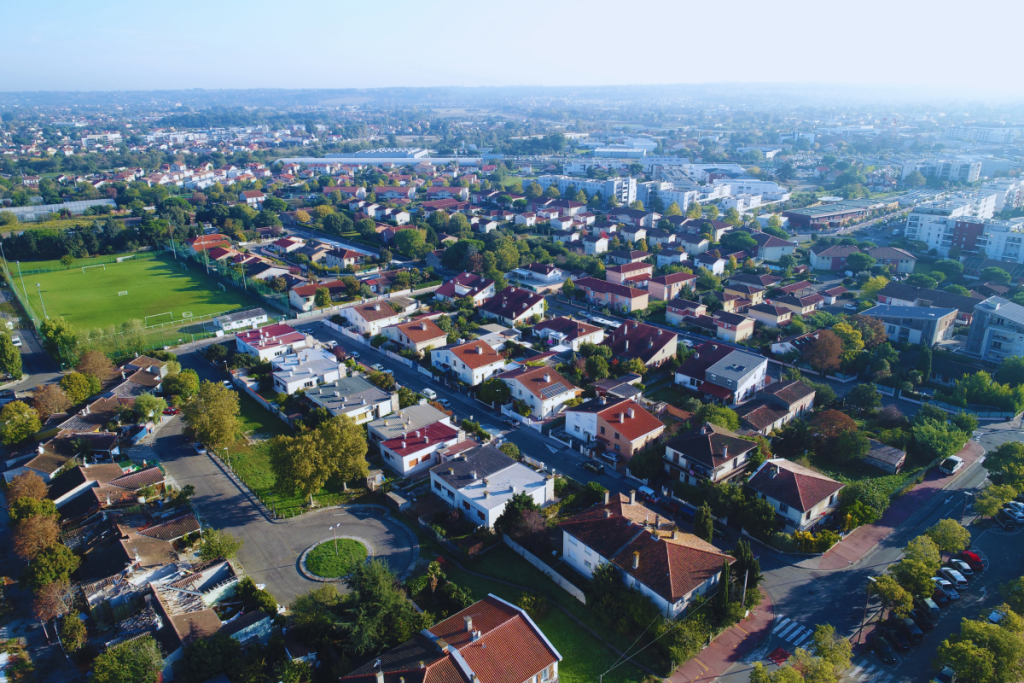

Some neighborhood names don’t go unnoticed. In northern Toulouse, the name “Les Trois Cocus” inevitably raises a few questions. Is it a story of cuckolded husbands? Not really! Behind this unusual name lies a much older origin. From the earliest mentions in the archives to the transformations of the urban landscape, let’s take a look back at the history of a Toulouse neighborhood that has managed to preserve its identity.
Trois Cocus in Toulouse: An Occitan Origin That Brings a Smile
Let’s start by clearing up any confusion: the Trois Cocus probably has nothing to do with three unfaithful wives! The best-known explanation takes us back to the Occitan language. Originally, people spoke of the “Tres Cocuts,” meaning “the three cuckoos.”
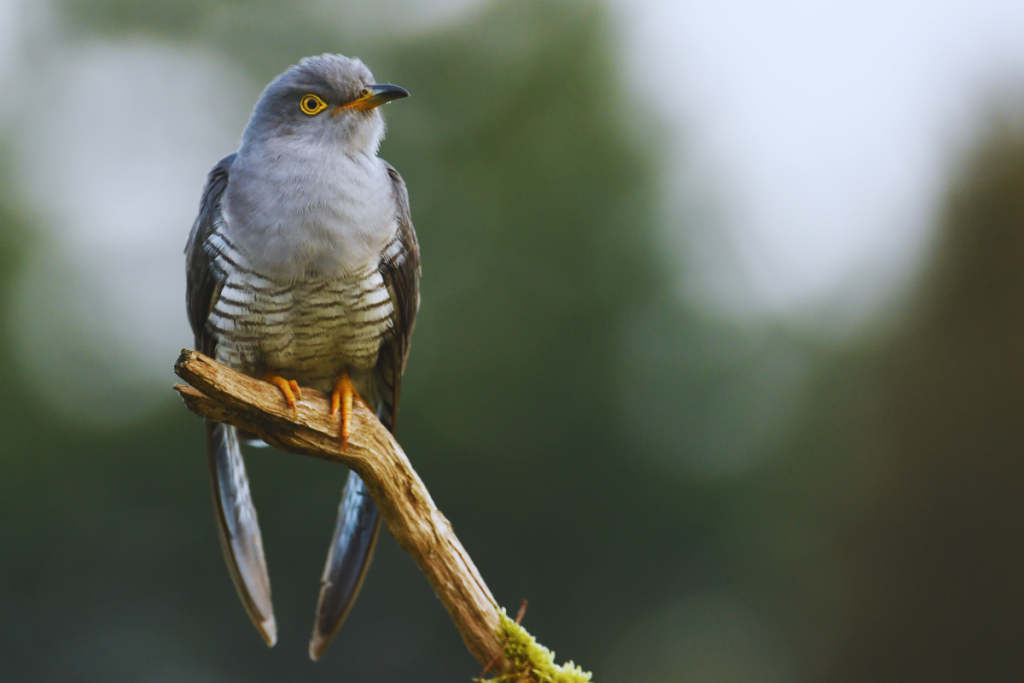
According to local tradition, these birds were once depicted on the facade of an old house that no longer exists. Another anecdote claims that Napoleonic soldiers, unfamiliar with the Occitan language, misinterpreted the name when translating it into French.
However, the story is a bit more complex. Historical records already mention a place called “des Trois Écus” in 1727, then “des Trois Coucuts” in 1740. The exact origin of the name therefore remains a matter of debate.
One thing is certain: this name has sparked some amused reactions over the years. In 1906, residents reportedly even asked Mayor Albert Bedouce to rename their neighborhood. His famous reply was reportedly to advise them to keep their three “cocus” and, above all, not to increase their number!
From market gardens to a residential neighborhood: Les Trois Cocus has changed a lot
Long before the high-rises, the metro, and cultural facilities, the Trois Cocus had a rural feel. In the 19th century, this northern sector of Toulouse was notably characterized by market gardening. Its farmland helped supply the “Pink City” with fruits and vegetables.
Then, over the course of the 20th century, the landscape gradually changed. The construction of apartment buildings accelerated starting in the 1950s and profoundly transformed the area. In the 1960s and 1970s, the neighborhood welcomed new residents, including returnees from Algeria.
A Neighborhood Between Heritage and Renewal
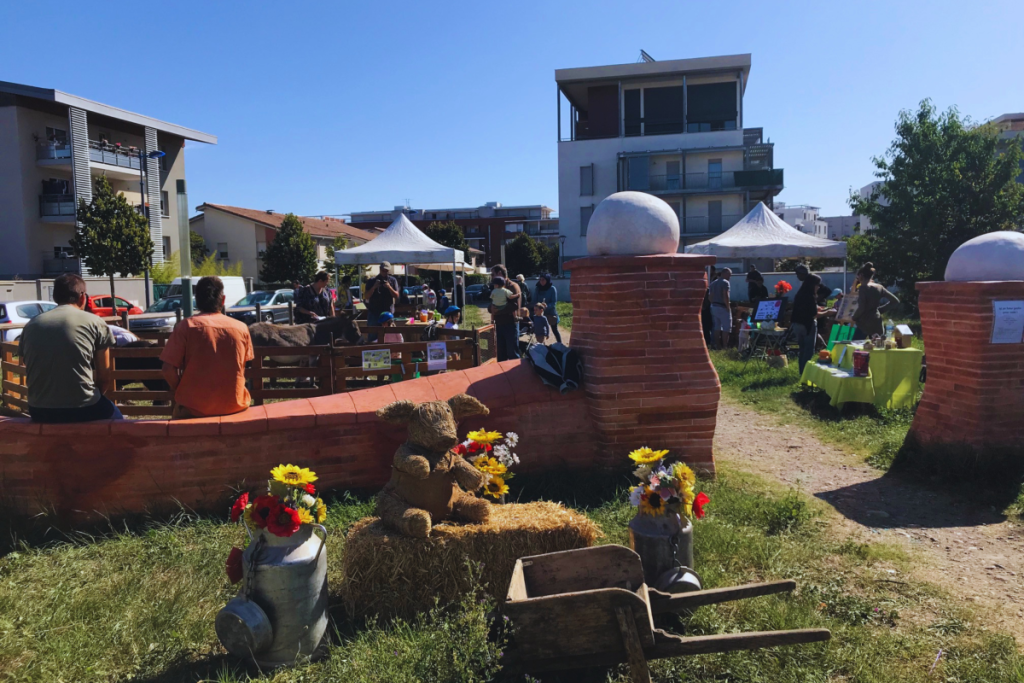
Today, the Trois Cocus has undergone a complete transformation. Yet a few traces of its agricultural past remain. The Borde Bio farm, with its crops and community gardens, serves as a particular reminder of this history of market gardening.
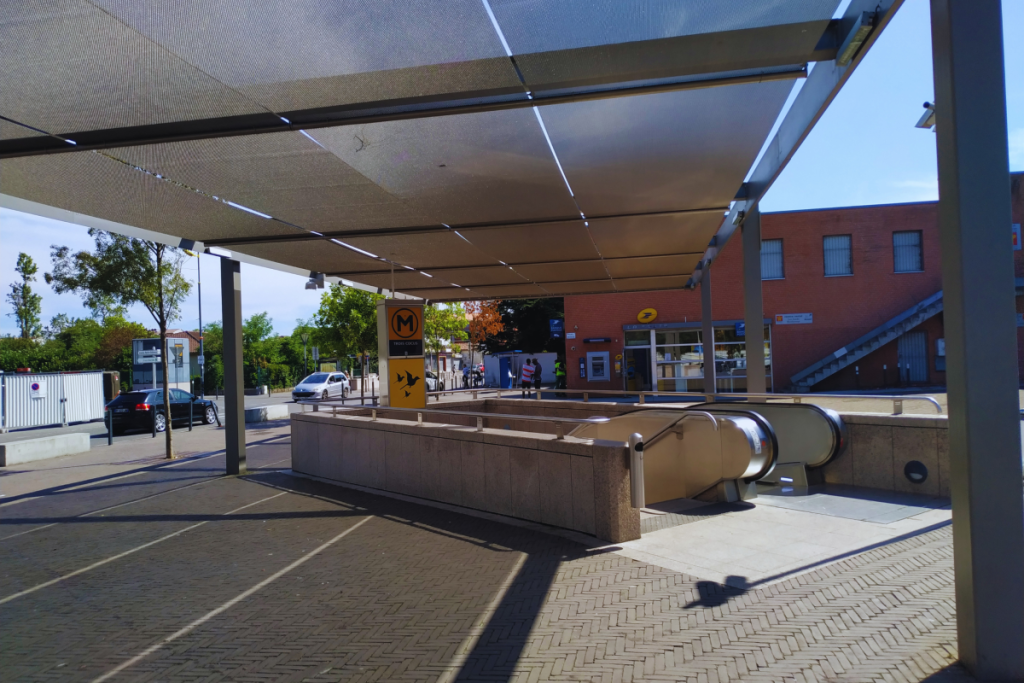
The neighborhood also boasts several places for daily life and leisure. Among them are Maourine Park, the Utopia movie theater, and the Le Metronum concert hall. Served by Metro Line B, the area is now well-connected to downtown.
Finally, urban renewal projects continue to reshape this neighborhood in northern Toulouse. A transformation that doesn’t erase its history—or this name that’s decidedly unlike any other!
