

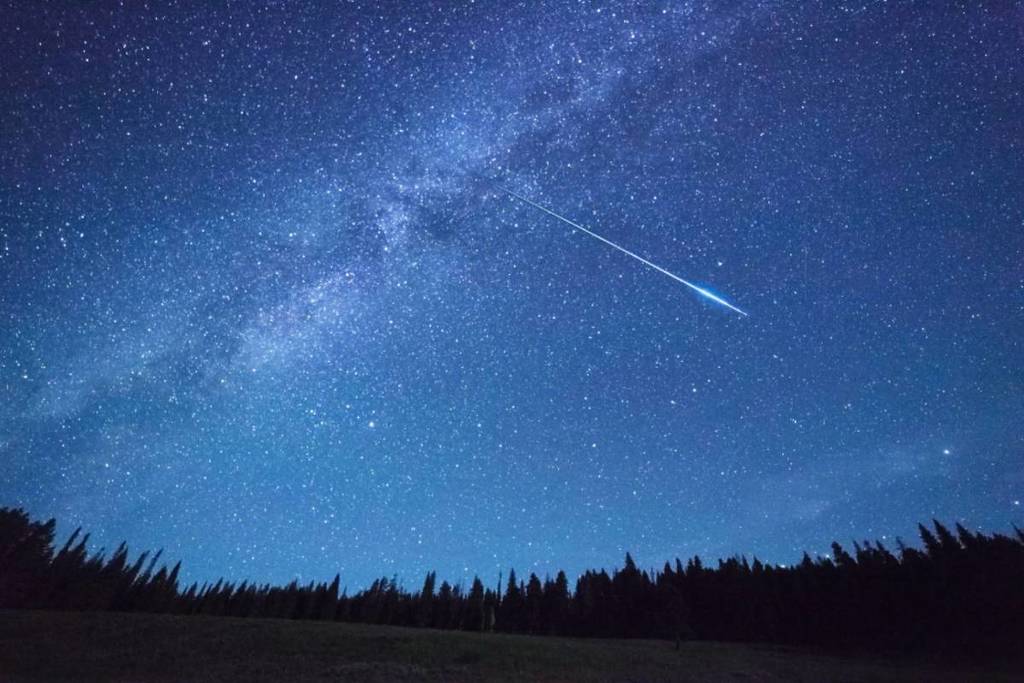
This autumn, astronomy fans and nocturnal dreamers are in for a treat. After the Orionids in October and the full moon on November 5, 2025, it’s time for the Leonids, a shower of shooting stars that will light up the skies over Toulouse. This breathtaking celestial spectacle will give you the perfect opportunity to look up at the stars and make wishes. Let’s hope the weather holds out!
How to see the shower of shooting stars that will light up the skies over Toulouse in November?
Did you sleep soundly in October and miss the Orionides shooting star shower? Don’t panic, there’s a catch-up session just for you! Shooting stars will be streaking the skies over the Ville Rose, with peak activity expected on the night of November 16-17, 2025. You can expect to see up to 20 meteors per hour.
For the record, Leonids take their name from the constellation Leo, from which they seem to spring. But far from being poetic, these meteors are in fact debris from the famous comet 55P/Tempel-Tuttle. And like every year, the Earth encounters this cosmic dust cloud. The Leonids peak in November 2025 will take place in a moonless sky (only 7% brightness), and promises excellent visibility. You’ll be able to see between 15 and 20 meteors per hour at the end of the night. Nevertheless, be vigilant from midnight onwards!
The best astronomical observation spots and weather conditions for this magical night in Toulouse
So, where should you go in Toulouse to see this intergalactic show? The answer is simple: stay away from light pollution! The lights of the Ville Rose often spoil the experience, so you might want to head for Pech David, for example. It’s a high vantage point that offers ideal visual clearance. Or, for the more adventurous, head off towards the Col d’Agnès.
What about the weather? In mid-November, the mercury will fluctuate between 7°C and 9°C. However, the general trend is for this period to be mild. So it’s crucial to check the local weather as early as November 16, as clear skies are a must. Note that the best time for astronomical observation is just before dawn. So don’t forget a thermos of coffee to keep you awake!
